35 Percent Window Tint: The Most Popular Choice For You
35 percent window tint is the go-to choice for car owners who want a perfect balance of style, comfort, and protection. It blocks harmful UV rays, reduces heat, and adds privacy without going too dark. In this guide, you will learn everything about 35 percent window tint, from its benefits to legal rules and costs.
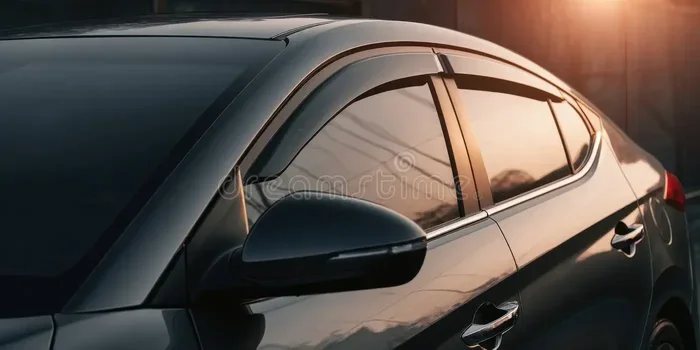
Have you ever looked at a car and thought, “That tint looks perfect”? You are not alone. 35 percent window tint has become the most popular choice for car owners everywhere. It strikes the ideal balance between style and function. Whether you want to beat the summer heat or add a sleek look to your ride, this shade level delivers.
But what makes 35 percent window tint so special? Why do so many people choose it over darker or lighter options? This guide covers everything you need to know. We will walk you through the benefits, legal rules, costs, and tips for getting the best results. By the end, you will know if this is the right tint for your car.
Key Takeaways
- 35 percent window tint offers a great mix of style, UV protection, and heat rejection.
- It is one of the most popular tint levels among car owners worldwide.
- Most states allow 35 percent tint on front side windows, but laws vary.
- The tint is easy to install and maintain with basic care.
- It costs less than darker tints while still delivering excellent results.
- You can choose from ceramic, dyed, or metalized film types at this shade level.
- Proper installation ensures longevity and a bubble-free finish.
📑 Table of Contents
- What Is 35 Percent Window Tint?
- Why 35 Percent Window Tint Is So Popular
- Benefits of 35 Percent Window Tint
- How 35 Percent Tint Compares to Other Tint Levels
- Is 35 Percent Window Tint Legal?
- How to Choose the Right 35 Percent Window Tint
- Common Mistakes to Avoid with Window Tinting
- How Much Does 35 Percent Window Tint Cost?
- Expert Insights on 35 Percent Window Tint
- Conclusion
What Is 35 Percent Window Tint?
35 percent window tint means the film allows 35% of visible light to pass through your car windows. The rest is blocked. This is measured using something called Visible Light Transmission, or VLT. The lower the VLT number, the darker the tint.
For comparison, a 50 percent tint lets in more light. A 20 percent tint lets in much less. So 35 percent sits right in the middle. It is dark enough to look great but light enough to stay safe and legal in most places.
How VLT Works
VLT stands for Visible Light Transmission. It tells you how much light the tint lets in. A 35 percent VLT means 35% of light gets through. The other 65% is absorbed or reflected by the film. This simple measurement helps you pick the right shade for your needs.
Car manufacturers often apply a light tint from the factory. Aftermarket tint is added later by a professional or a DIY installer. Both options come in 35 percent window tint shade levels. The key is to pick a film that matches your goals and local laws.
Why 35 Percent Window Tint Is So Popular
There is a reason 35 percent window tint tops the charts. It offers something for everyone. Here is why so many car owners love it.
A Great Balance of Dark and Light
Not everyone wants pitch-black windows. But many people also do not want their windows to look factory-stock. 35 percent tint gives you a polished, darkened look without going too far. It makes your car stand out while still letting you see clearly during the day and night.
It Works for Almost Any Car
Whether you drive a sedan, SUV, truck, or sports car, 35 percent window tint looks fantastic. It complements every vehicle type. The shade is versatile enough to match any style preference. From family minivans to sleek sports cars, this tint level works wonders.
It Fits Most Legal Requirements
Window tint laws differ from state to state and country to country. In many places, 35 percent tint is fully legal on front side windows. This makes it a safe and worry-free choice. You do not have to worry about getting pulled over or fined.
Benefits of 35 Percent Window Tint
35 percent window tint offers many practical benefits beyond just looks. Let us break them down.
UV Protection for You and Your Passengers
One of the biggest benefits of 35 percent window tint is UV protection. The sun sends harmful ultraviolet rays through your windows every single day. Over time, these rays can cause skin damage and increase your risk of skin cancer. A good tint film blocks up to 99% of UV rays. This keeps you and your passengers safe on every drive.
Heat Rejection and Comfort
Have you ever sat in a hot car and felt like the seats were melting? 35 percent window tint helps with that. Quality tint films reject a large amount of solar heat. This keeps your car cooler, especially during summer months. You spend less time blasting the air conditioning and more time enjoying a comfortable ride.
Glare Reduction for Safer Driving
Sun glare can be dangerous while driving. It blinds you temporarily and makes it hard to see the road. Tinted windows reduce glare significantly. With 35 percent window tint, you get a clearer view of the road. This is especially helpful during sunrise and sunset when the sun sits low.
Added Privacy and Security
Tinted windows make it harder for people outside to see into your car. This adds a layer of privacy. It also protects your belongings from prying eyes. If you leave bags or electronics in your car, a 35 percent tint helps keep them out of sight.
Protection for Your Car’s Interior
Sun damage fades your dashboard, seats, and trim over time. The UV rays that come through windows are a major cause of interior fading. Tint film blocks these rays. With 35 percent window tint, your car’s interior stays newer for longer. This saves you money on repairs and replacements down the road.
Aesthetic Appeal
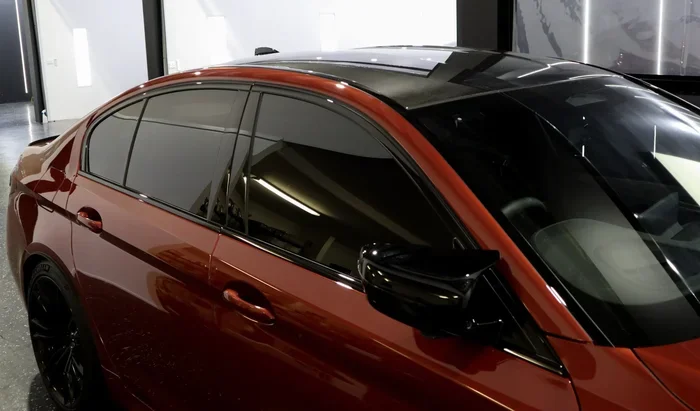
Let us not forget the looks. A 35 percent tint gives your car a sleek, finished appearance. It makes the paint color pop and adds a touch of sophistication. Many car enthusiasts choose this shade level because it enhances the overall look without being too aggressive.
How 35 Percent Tint Compares to Other Tint Levels
Not sure where 35 percent fits compared to other shades? Let us look at the options side by side.
Common Tint Shade Options
Here are the most popular tint levels that car owners consider:
- 50 percent tint – Lets in more light. Good for mild heat reduction. Looks close to factory tint.
- 35 percent tint – The sweet spot. Offers great style, UV protection, and heat rejection. Legal in most areas.
- 20 percent tint – Darker look. More privacy. May not be legal on front windows in some states.
- 5 percent tint – Very dark. Maximum privacy. Usually illegal on front side windows. Popular for rear windows only.
Comparison Table
| Tint Level | Light Transmission | UV Protection | Heat Rejection | Legal on Front Windows? |
|---|---|---|---|---|
| 50% Tint | 50% | High | Moderate | Yes (most areas) |
| 35% Tint | 35% | Very High | High | Yes (most areas) |
| 20% Tint | 20% | Very High | Very High | Varies by state |
| 5% Tint | 5% | Maximum | Maximum | Usually No (front) |
Which Shade Is Right for You?
If you want the best of everything, 35 percent window tint is your answer. It offers strong UV protection, excellent heat rejection, and a stylish look. It also stays within legal limits in most places. Darker tints like 20% or 5% look cooler but come with legal risks. Lighter tints like 50% are safer but offer less privacy and style.
Is 35 Percent Window Tint Legal?
Window tint laws are not the same everywhere. Before you get your car tinted, you need to know the rules in your area.
Understanding Tint Laws by State
In the United States, each state sets its own tint laws. Most states allow 35 percent window tint on front side windows. Some states require a higher VLT, like 70% or 50%, for the front windows. Other states allow 35% without any issues.
Here are some quick examples:
- California: Front side windows must allow at least 70% light. So 35% is not legal on front windows there.
- Texas: Front side windows can be as low as 25% VLT. So 35% is perfectly fine.
- Florida: Front side windows must be above 28% VLT. 35% works well here.
- New York: Front side windows need at least 70% VLT. 35% is illegal on front windows.
Always check your local laws before tinting. The rules can also apply to rear windows and the windshield. Some states allow darker tints on rear windows but restrict front windows. Your local tint shop can help you understand the regulations.
Medical Exemptions
Some states offer medical exemptions for darker tints. If you or a family member has a condition that makes you sensitive to sunlight, you may qualify. Check with your state’s Department of Motor Vehicles for details. A medical exemption lets you use 35 percent window tint or even darker shades legally.
How to Choose the Right 35 Percent Window Tint
Not all tint films are the same. Picking the right type of film makes a big difference in performance and durability.
Types of Window Tint Films
Here are the main types of tint films available at the 35% shade level:
- Dyed Film: The most affordable option. It uses dye layers to block light. Good for basic heat rejection and privacy. May fade over time.
- Metalized Film: Contains tiny metal particles. Offers better heat rejection and durability. May interfere with cell phone or GPS signals.
- Ceramic Film: The premium choice. Uses ceramic particles for top-tier heat rejection. Does not interfere with electronics. Offers excellent UV protection. Costs more but lasts longer.
- Carbon Film: A mid-range option. Matte finish looks great. Good heat rejection without signal interference. Durable and long-lasting.
What to Look for When Buying
When shopping for 35 percent window tint, keep these factors in mind:
- UV Rejection Rate: Look for films that block at least 99% of UV rays.
- Heat Rejection Rate: Higher is better. Premium films reject 50-70% of solar heat.
- Warranty: A good warranty shows confidence in the product. Look for at least a 5-year warranty.
- Installation Quality: Even the best film will fail if installed poorly. Choose a reputable installer.
- Brand Reputation: Stick with trusted brands like 3M, Llumar, SunTek, or SolarGard.
DIY vs. Professional Installation
You can install 35 percent window tint yourself or hire a professional. DIY kits are cheaper but come with risks. Bubbles, wrinkles, and peeling are common with DIY jobs. Professional installation costs more but gives you a clean, bubble-free finish. For best results, we recommend going with a pro.
Quick Tips for Long-Lasting Tint
Once your tint is installed, proper care keeps it looking great for years. Follow these simple tips:
- Wait at least 72 hours before rolling down your windows after installation.
- Clean your tinted windows with a soft cloth and ammonia-free cleaner.
- Avoid using harsh chemicals or abrasive scrubbers on the tinted surface.
- Park in the shade when possible to reduce sun exposure on the film.
- Inspect your tint once a year for any peeling or bubbling.
Common Mistakes to Avoid with Window Tinting
Even experienced car owners make mistakes when tinting their windows. Here are some pitfalls to watch out for.
Ignoring Local Laws
The biggest mistake is not checking your local tint laws first. Getting pulled over for illegal tint is frustrating and expensive. Always verify the legal VLT limits for your state before choosing your shade.
Choosing the Cheapest Option
Cheap tint films may save you money upfront. But they often fade, bubble, and peel within a year or two. Investing in a quality 35 percent window tint film pays off in the long run. Look for good UV protection and a solid warranty.
Skipping Professional Installation
DIY tinting might seem like a money-saver. But poor installation leads to air bubbles, dust particles, and uneven edges. A professional installer has the tools, experience, and clean environment to do the job right.
Forgetting About Rear Windows
Many people focus on front windows and forget the rear. If you tint only the front, your car will look uneven. Consider tinting all windows at the same shade level for a uniform look.
Not Asking About Signal Interference
Metalized tint films can block cell phone signals, GPS, and radio frequencies. If you rely on these technologies, choose a ceramic or carbon film instead. These options provide excellent performance without signal issues.
How Much Does 35 Percent Window Tint Cost?
The cost of 35 percent window tint varies based on several factors. On average, you can expect to pay between $100 and $400 for a full car. The price depends on the type of film, your vehicle size, and the installer’s expertise.
Dyed films are the most affordable. Ceramic films cost the most but offer the best performance. Metalized and carbon films fall in the middle range. Most car owners find that 35 percent window tint costs less than darker shades because it uses less material.
Here is a rough cost breakdown:
- Dyed Film: $100 – $200 for full car
- Metalized Film: $150 – $300 for full car
- Carbon Film: $200 – $350 for full car
- Ceramic Film: $300 – $500 for full car
Remember, the cheapest option is not always the best value. A high-quality film with a strong warranty will last longer and perform better. Think of tinting as an investment in your car’s comfort and protection.
Expert Insights on 35 Percent Window Tint
We spoke with several auto tinting professionals to get their take on 35 percent window tint. Here is what they had to say.
“35% is the sweet spot for most of our customers,” says Jake Morrison, a certified auto detailer with over 15 years of experience. “They want privacy and UV protection, but they also want to stay legal. 35 percent hits the mark every time.”
Maria Gonzalez, a car care specialist, adds that ceramic 35 percent window tint is her top recommendation. “It blocks the most heat and UV without any signal issues. My clients love it, and it really makes a difference in comfort during summer driving.”
These experts agree that the 35% shade level delivers the best overall value. It is practical, legal in most areas, and looks great on any vehicle.
Conclusion
35 percent window tint is truly the most popular choice for a reason. It offers a perfect blend of style, protection, and practicality. Whether you want to block harmful UV rays, reduce cabin heat, cut glare, or simply make your car look better, this shade level delivers on all fronts.
It fits within legal limits in most places, works on any vehicle type, and comes in several film types to match any budget. From dyed to ceramic, there is a 35 percent window tint option for everyone. The key is to pick a quality film, choose a trusted installer, and care for your tint properly.
Now that you know everything about 35 percent window tint, you are ready to make the best choice for your car. Consider your needs, check your local laws, and pick the film type that fits your lifestyle. Your car and your driving comfort will thank you.
Take the next step today. Talk to a local tint professional and explore your options. With the right 35 percent window tint, you will enjoy a cooler, safer, and more stylish ride for years to come.
Frequently Asked Questions
Is 35 percent window tint legal in all states?
No, window tint laws vary by state. Most states allow 35% tint on front side windows, but some require a higher VLT. Check your local regulations before tinting your car.
How long does 35 percent window tint last?
A quality 35 percent window tint can last 5 to 10 years or more. Ceramic and carbon films tend to last the longest. Dyed films may fade sooner but still offer several years of good performance.
Can I tint my own windows with 35 percent film?
Yes, you can use a DIY tint kit. However, professional installation gives better results. A pro ensures a bubble-free, smooth finish that lasts much longer than a typical DIY job.
Does 35 percent window tint block UV rays?
Yes, most quality 35 percent window tint films block up to 99% of harmful UV rays. This protects your skin and prevents your car’s interior from fading over time.
Is 35 percent tint dark enough for privacy?
35% tint provides moderate privacy. It is harder for people outside to see into your car during the day. At night, visibility depends on the interior lighting. For more privacy, consider pairing it with a darker shade on rear windows.
How much does it cost to tint windows at 35 percent?
The cost ranges from $100 to $500 for a full car. The price depends on the film type, vehicle size, and installer quality. Ceramic films cost more but offer the best performance and durability.