Top Factors That Affect the Cost of Auto Window Tint
The cost of auto window tint varies based on several key factors, including the type of film, tint percentage, and vehicle size. Choosing the right combination of quality and style can save you money while boosting comfort and protection for years to come.
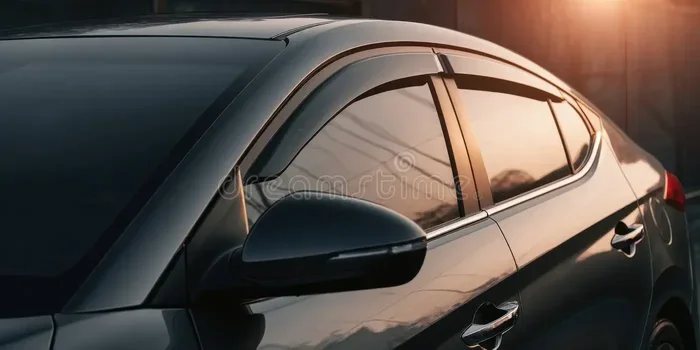
Planning to tint your car windows? Great choice. Tinted windows look sleek, keep your car cooler, and protect you from harmful UV rays. But before you book an appointment, you need to know one thing: the cost of auto window tint is not a one-size-fits-all number. Many different factors go into the final price. And understanding them helps you make a smart choice.
Some tints cost as little as $100 for a full set. Others can hit $500 or more. The difference comes down to the film type, your vehicle, and who does the installation. In this guide, we break down every factor that affects the cost of auto window tint. By the end, you will know exactly what to expect and how to get the best value.
Let us walk through the key factors step by step. Whether you want a 35 percent tint for style or a clear film for UV protection, this guide has you covered.
Key Takeaways
- Film Type Matters Most: ceramic, carbon, dyed, and metallic films all come with different price tags and benefits.
- Tint Percentage Affects Price: darker tints like 15 percent window tint often cost more than lighter options.
- Vehicle Size Plays a Role: larger vehicles need more film, which directly raises the total cost.
- Professional Installation Costs More But Lasts Longer: DIY kits save money upfront but may lead to bubbles and peeling.
- Local Laws Can Limit Options: legal tint limits in your state may affect which films you can choose.
- UV Protection Adds Value: films that block UV rays protect your skin and your car’s interior, worth the extra investment.
- Warranty and Brand Quality Matter: premium brands offer better durability and longer warranties.
📑 Table of Contents
- 1. Type of Tint Film
- 2. Tint Percentage and Darkness Level
- 3. Vehicle Size and Number of Windows
- 4. Professional Installation vs. DIY Kits
- 5. UV Protection and Heat Rejection Features
- 6. Brand, Warranty, and Quality
- 7. Local Laws and Legal Tint Limits
- 8. Additional Costs to Consider
- Final Thoughts on the Cost of Auto Window Tint
1. Type of Tint Film
The single biggest factor that affects the cost of auto window tint is the type of film you choose. Different films use different materials, and each material comes with its own price point. Let us look at the most common types.
Dyed Window Tint Film
Dyed film is the most budget-friendly option. It uses a layer of dye sandwiched between an adhesive and a protective coating. Dyed tints look great and absorb heat well. However, they tend to fade over time. You can expect dyed film to cost between $50 and $150 for a full car. It is a solid choice if you want a quick upgrade without spending much.
Metalized Window Tint Film
Metalized film contains tiny metallic particles that reflect heat and add strength to the window. These tints are more durable than dyed films. They also give your car a shiny, mirrored look. The cost is higher, usually between $150 and $300. One downside is that metalized film can interfere with cell phone signals and GPS. If that does not bother you, this is a great mid-range option.
Carbon Window Tint Film
Carbon film does not contain metal. It uses carbon particles to block heat and UV rays. Carbon tints have a matte, non-reflective finish that many car owners love. They also do not interfere with electronics. Carbon film typically costs between $200 and $400 for a full set. It is a popular choice for people who want a balance of performance and style.
Ceramic Window Tint Film
Ceramic film is the premium option. It uses nano-ceramic particles to block heat and glare without affecting visibility. Ceramic tints offer the best UV protection and the longest lifespan. They also do not fade or change color over time. The cost of ceramic film ranges from $300 to $600 or more. If you want the best quality, this is the way to go. The higher auto window tint price is worth it for the performance and durability.
| Film Type | Avg. Cost (Full Car) | Heat Rejection | Durability |
|---|---|---|---|
| Dyed | $50 – $150 | Good | Low |
| Metalized | $150 – $300 | Very Good | Medium |
| Carbon | $200 – $400 | Excellent | High |
| Ceramic | $300 – $600+ | Outstanding | Very High |
2. Tint Percentage and Darkness Level
The tint percentage refers to how much light the film allows through. A lower percentage means a darker tint. Many people wonder whether the darkness level affects the price. The answer is yes, it does.
Darker tints like 15 percent window tint require more specialized film. The manufacturing process is more complex, which raises the cost. Lighter tints, such as 50 percent or 70 percent, use simpler materials and are more affordable.
Here is a quick breakdown of how tint percentages impact cost:
- 5-15 percent (Very Dark): These tints offer maximum privacy and heat rejection. They cost more due to the specialized materials needed. Many states have strict laws limiting how dark you can go.
- 20-35 percent (Medium Dark): This is the most popular range. It offers a great balance of style, privacy, and heat protection. The cost of auto window tint in this range is moderate.
- 50 percent (Medium Light): A subtle tint that still blocks some heat and glare. It is one of the most affordable options.
- 70 percent and above (Light): These tints are almost clear. They are great for UV protection without changing the look of your car. Clear window tint in this range is very affordable.
Keep in mind that your state may have legal tint limits. Before choosing a darkness level, check your local laws to avoid fines or tickets.
3. Vehicle Size and Number of Windows
Not all cars are the same size, and that directly affects the auto window tint cost. A compact car like a Honda Civic has far less window area than a full-size SUV like a Ford Expedition. More glass means more film, and more film means a higher price.
Here are some general cost estimates based on vehicle size:
- Compact Cars: These vehicles have smaller windows. A full tint job typically costs between $100 and $250.
- Mid-Size Sedans: Slightly larger windows push the cost to $150-$350.
- SUVs and Trucks: Larger vehicles with bigger rear windows and sometimes sunroofs can cost $300-$500 or more.
- Luxury and Specialty Vehicles: Cars with curved windows, sunroofs, or unique glass shapes cost more. The extra labor and film needed add to the total.
If you own a truck or an SUV, you might also want to tint the rear windshield and side windows. Some owners tint just the front side windows and leave the rest clear. This approach can lower your costs significantly. Talk to your installer about which windows matter most to you.
4. Professional Installation vs. DIY Kits
Another big factor in the cost of auto window tint is who does the job. You have two main options: professional installation or a DIY kit. Each has pros and cons.
Professional Installation
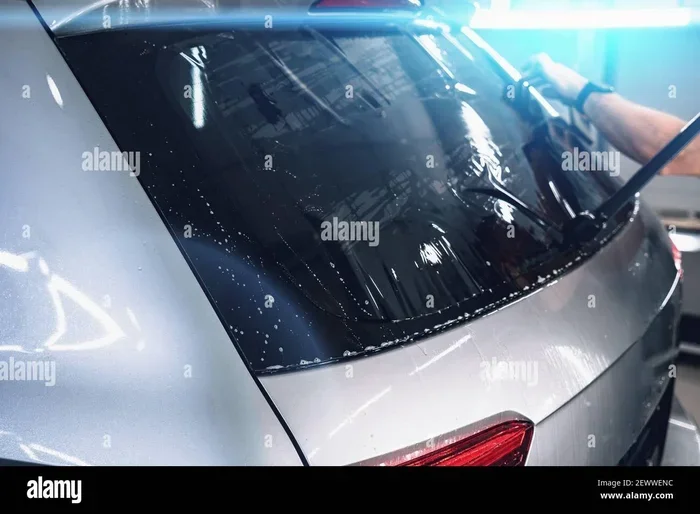
Professional installers have the tools, experience, and clean environments to do the job right. They use heat guns to shape the film around curves and corners. They also ensure there are no bubbles, wrinkles, or gaps. Professional installation typically costs between $200 and $600 for a full car.
The main advantage is durability. A professional job can last 10 years or more with proper care. Many shops also offer warranties on their work. If a bubble forms or the film peels, they will fix it for free.
DIY Tint Kits
DIY tint kits are much cheaper. You can find them online for $20 to $100. They include the film, a spray solution, and a squeegee. The idea is to save money by doing the work yourself.
However, DIY tinting is not as easy as it looks. The film must be cut precisely for each window. Any mistakes can lead to bubbles, peeling, or an uneven finish. You also need a clean, dust-free environment, which is hard to achieve in a home garage. Many people end up redoing the job or paying a professional to fix their mistakes.
For most car owners, the cost of professional installation is worth it. The long-term results and warranty make it a smarter investment.
5. UV Protection and Heat Rejection Features
Not all tint films are created equal when it comes to protection. Some films are designed primarily for style, while others focus on function. The level of UV protection and heat rejection a film offers directly affects its price.
Basic dyed films block a decent amount of UV rays. But they do not match the performance of ceramic or carbon films. If you spend a lot of time driving, especially in sunny climates, investing in a high-performance film pays off. It keeps your car cooler, protects your skin, and prevents your dashboard and seats from fading.
Here are some quick tips for choosing the right protection level:
- For daily commuting: A mid-range carbon or metalized film offers great heat rejection at a reasonable price.
- For sunny climates: Go with ceramic film. It offers the best heat rejection and UV protection available.
- For style only: A basic dyed film in a medium tint percentage will do the job without breaking the bank.
- For maximum protection: Look for films that block 99 percent of UV rays. Many premium ceramic films offer this level of protection.
Remember, the extra cost of a high-performance film pays for itself. It keeps your car cooler in summer, which means less reliance on air conditioning. That can even improve your fuel economy over time.
6. Brand, Warranty, and Quality
When it comes to window tint, brand matters. Not all films are made the same way. Premium brands invest in research and quality control. They use better materials and more advanced manufacturing processes. This is why a branded ceramic film costs more than an unknown generic film.
Warranties are another important factor. Top-tier tint brands like 3M, Llumar, and SunTek offer lifetime warranties. These warranties cover fading, bubbling, peeling, and cracking. A lifetime warranty gives you peace of mind and adds value to your investment.
Budget brands may not offer any warranty at all. The film might fade within a year or start bubbling after a few months. You could end up paying for a full replacement sooner than expected.
When comparing quotes, ask about the warranty. A shop that offers a strong warranty is usually a sign of quality materials and skilled installation. Do not just go with the cheapest option. Consider the long-term value of your choice.
7. Local Laws and Legal Tint Limits
Every state has its own rules about how dark your window tint can be. These laws affect the cost of auto window tint in a few ways. First, if you live in a state with strict limits, you may not be able to choose the darkest films. This limits your options and can push you toward more expensive films that still comply with the law.
Second, some states require a certification sticker on the tinted windows. This proves the film meets legal standards. Shops that offer certification may charge a little extra for this service.
Third, if you travel across state lines, you need to be aware of different tint laws. A tint that is legal in one state might not be legal in another. This is especially important if you drive through multiple states regularly.
Before you get your windows tinted, check your state’s laws. If you are unsure, ask your installer. They will know the local regulations and can recommend films that keep you compliant.
8. Additional Costs to Consider
The base cost of window tint is not the only expense. There are a few additional costs to keep in mind when budgeting for your tint job.
- Removal of Old Tint: If your car already has old tint, you will need it removed before applying new film. This adds $50 to $100 to the total cost.
- Specialty Cuts: Some vehicles have curved or shaped windows that require custom cuts. This increases the labor time and cost.
- Tint for Rear Windshield: Tinting the rear windshield often costs more than side windows because of its size and curve.
- Clear Bra or Paint Protection: Some owners pair window tint with paint protection film. This adds to the overall cost but protects your car’s exterior too.
Ask your installer for a full breakdown of costs before you commit. A reputable shop will be transparent about pricing and will not hide any fees.
Final Thoughts on the Cost of Auto Window Tint
The cost of auto window tint depends on many factors. The film type you choose is the biggest driver of price. Dyed film is the most affordable, while ceramic film is the most expensive. Your vehicle size, tint percentage, and the quality of installation all play a role too.
While it is tempting to go with the cheapest option, remember that quality matters. A well-installed, high-quality tint job lasts for years. It keeps your car cooler, protects you from UV rays, and gives your car a polished look. Think of it as an investment in comfort, protection, and style.
Take your time to compare options. Get quotes from at least two or three shops. Ask about warranties and film brands. And always make sure your choice complies with local tint laws. With the right approach, you will get a tint job that looks great and performs well for a long time.
Your car deserves the best. Now that you know what drives the cost, you can make a confident and informed decision.
Frequently Asked Questions
How much does it cost to tint all the windows of a car?
The total cost of tinting all windows ranges from $100 to $600 depending on the film type and vehicle size. A basic dyed film on a compact car will be on the lower end. A premium ceramic film on a large SUV will be on the higher end. Always ask for a detailed quote before committing.
Is it worth paying more for ceramic window tint?
Yes, ceramic tint offers the best heat rejection, UV protection, and durability. It does not fade or interfere with electronics. While it costs more upfront, the long-term benefits and lifespan make it well worth the investment for most car owners.
Can I tint my own windows to save money?
You can, but DIY kits come with risks. Improper installation often leads to bubbles, peeling, and uneven coverage. You may end up paying a professional to fix mistakes. For most people, professional installation is the better choice for long-lasting results.
What tint percentage is legal in most states?
Most states allow a front side window tint of 35 percent or higher. Rear windows can often be tinted darker. However, laws vary by state, so always check your local regulations before choosing a tint darkness level.
Does window tint fade over time?
Lower-quality films like dyed tint tend to fade within a few years. Premium films like ceramic and carbon resist fading and can last 10 years or more. Choosing a high-quality film with a good warranty helps prevent fading.
How long does auto window tint take to install?
A full car tint job usually takes one to three hours. The time depends on the number of windows, the film type, and the complexity of the glass shapes. Professional shops work efficiently and ensure the film cures properly before you drive off.