Florida Window Tint Law Guide Everything You Need to Know
The Florida Window Tint Law sets specific rules for how dark your car tint can be on each window. Front side windows must allow more than 28% of light through, while rear windows can be darker. Medical exemptions are available, and you must keep a tint sticker and certificate to stay legal.
Tinting your car windows is one of the best upgrades you can make. It keeps your car cooler, protects your skin from harmful rays, and adds a sleek look to your vehicle. But before you head to the shop, there is one important step you cannot skip. You need to understand the Florida window tint law so you do not end up with a ticket or having to remove your tint.
Florida has specific rules about how dark your tint can be, which windows you can tint, and what paperwork you need to keep. This Florida Window Tint Law Guide will walk you through all of it in simple terms. Whether you are a first-time car owner or looking to re-tint your current vehicle, you will find everything you need right here.
Key Takeaways
- Legal tint limits vary by window: Front side windows need at least 28% VLT, while rear windows can go darker.
- Windshield tint is limited: You can only tint the top four inches of the front windshield with a non-reflective finish.
- Medical exemptions exist: If you have a qualifying condition, you can get a special permit for darker tint.
- Tint stickers and certificates are required: You must display a legal tint sticker and keep your certificate on file.
- Reflective tint is restricted: Front and rear side windows cannot have more than 25% reflectivity.
- Violations carry fines: Illegal tint can result in citations and mandatory removal at your expense.
📑 Table of Contents
- What Is the Florida Window Tint Law?
- Legal Tint Limits by Window
- Understanding Tint Darkness and VLT
- Tint Exemptions and Installation Requirements
- Benefits of Legal Window Tint and Final Thoughts
- How to Choose the Right Tint Shop in Florida
- What Happens If You Get Pulled Over for Illegal Tint?
- Florida vs. Other States: How Do the Laws Compare?
- Final Thoughts on the Florida Window Tint Law
What Is the Florida Window Tint Law?
The Florida window tint law is a set of rules created by the state to regulate how dark or reflective your car windows can be. These laws exist for safety and visibility reasons. Dark tint can make it harder for drivers to see pedestrians, other cars, and traffic signals, especially at night. The state also wants to make sure law enforcement can see inside vehicles during traffic stops.
Florida Statute 316.2956 covers the specific rules for automotive window tinting. The law focuses on two main factors: visible light transmission (VLT) and reflectivity. VLT measures how much light passes through your window film. The lower the VLT percentage, the darker the tint. Reflectivity measures how much light the tint bounces back. Both factors are regulated in Florida.
Why These Laws Matter
You might wonder why the government cares so much about car tint. The answer is safety. Dark windows can hide the identity of drivers, which creates risks for other people on the road. They also reduce visibility for the driver, which can lead to accidents. The Florida window tint law balances personal preferences with public safety. It allows you to enjoy the benefits of tint while keeping roads safe for everyone.
Legal Tint Limits by Window
Florida law treats each window differently. The rules for your front windshield are not the same as the rules for your rear window. Let us break down the legal tint limits for each window on your vehicle.
Front Windshield Tint Rules
You can tint your front windshield, but only on the top four inches. This strip is often called the “sunshade band.” The tint on this area must be non-reflective. You cannot use mirrored or metallic tint on the windshield. The rest of the front windshield must remain clear to ensure proper visibility.
Front Side Windows
The front side windows (driver and passenger sides) must allow more than 28% of light to pass through. This means your VLT percentage must be above 28%. In practical terms, this allows for a medium tint that still provides good visibility. This is one of the stricter rules in Florida because the driver needs clear sight lines.
Rear Side Windows
Rear side windows have more relaxed rules. You can use any tint darkness on the rear side windows, as long as the vehicle has side mirrors on both sides. This means you can go as dark as you want on the back doors. If your car does not have side mirrors, you will need to keep these windows lighter.
Rear Window
The rear window can also be tinted to any darkness level. Just like the rear side windows, you must have dual side mirrors if the rear window is tinted. This gives drivers enough visibility to compensate for the darker rear glass.
Florida Tint Limits by Window
| Window | Minimum VLT | Reflectivity Limit |
|---|---|---|
| Front Windshield | Clear (top 4″ only) | Non-reflective only |
| Front Side Windows | 28% or more | 25% or less |
| Rear Side Windows | No limit | 25% or less |
| Rear Window | No limit | 25% or less |
Keep in mind that these limits apply to passenger vehicles. Different rules may apply to SUVs, vans, and other vehicle types. Always check with your local Florida DMV or a licensed tint shop for the most current information.
Understanding Tint Darkness and VLT
Visible Light Transmission, or VLT, is the key concept behind window tint darkness. VLT percentage tells you how much visible light passes through your window film. A higher VLT means a lighter tint. A lower VLT means a darker tint. Understanding this helps you choose the right tint for your needs while staying within the law.
What Does VLT Mean in Practice?
Here is a simple way to think about it. If a film has a VLT of 50%, it lets in half the light. If it has a VLT of 5%, it only lets in a tiny amount of light. In Florida, your front side windows must be at least 28% VLT. This means the tint must let in at least 28% of outside light. A 35 percent window tint is a popular choice because it offers good sun protection while staying well above the legal limit.
For those who want a very dark look, options like 15 percent window tint or 5 percent window tint exist, but they are only legal on rear windows in Florida. Always double-check the VLT of any film before you purchase it.
Tint Darkness Levels Explained
Let us look at common tint levels and where they fit within Florida law:
- 50% VLT: Very light tint. Great for heat rejection and UV protection. Legal on all windows.
- 35% VLT: Medium tint. A popular choice for a sleek look. Legal on all windows.
- 20% VLT: Dark tint. Legal on rear windows only. Not allowed on front side windows.
- 5% VLT: Very dark, often called “limo tint.” Legal on rear windows only.
Choosing the right darkness level depends on your priorities. If you want maximum heat rejection and UV protection, a lighter tint works well. If you prefer privacy and a sleek appearance, a darker rear tint is the way to go. Just remember the front side windows have the 28% minimum VLT requirement.
Quick Tips for Choosing Tint Darkness
- Always ask your tint shop for the VLT percentage of the film they use.
- Do not assume a “dark” film is legal for all windows.
- If you are unsure, go with a medium tint like 35% for all windows to stay safe.
- Remember that tint darkness can fade over time, which may actually help you stay legal longer.
Expert Insight
Many car owners make the mistake of buying tint online without checking the VLT rating. A film labeled “dark” or “privacy tint” might still be too dark for front side windows in Florida. Always ask for the exact VLT percentage and verify it against the state requirements before installation.
Tint Exemptions and Installation Requirements
Florida does offer exemptions for certain situations, and there are specific rules about how tint must be installed. Let us cover both so you are fully prepared.
Medical Exemption for Window Tint
Some medical conditions require extra protection from sunlight. Conditions like lupus, photosensitivity, and certain skin disorders can make even normal sun exposure dangerous. In these cases, the Florida window tint law allows for a medical exemption. This exemption permits darker tint on windows that would otherwise be restricted.
To get a medical exemption, you need a signed statement from a licensed physician. The statement must explain your condition and why darker tint is medically necessary. You must carry this statement in your vehicle at all times.
Who Qualifies for an Exemption?
Not everyone qualifies. The exemption is specifically for individuals with documented medical conditions that require limited sun exposure. Your doctor must provide detailed information about your condition. The exemption may limit which windows can be tinted darker and to what level. It is important to work with your physician and understand exactly what the exemption allows.
Keep in mind that the exemption does not give you a free pass to tint every window as dark as you want. There are still rules, and law enforcement can request documentation. If you cannot produce the medical exemption certificate, you may be cited for illegal tint.
Do Window Tints Go On The Inside Or Outside?
In Florida, as in most states, window tint film is applied to the inside of the window glass. This is the standard practice for automotive tinting. Applying tint to the inside protects the film from weather damage, road debris, and UV exposure. It also helps the film last longer and maintain its appearance. If a shop tells you they apply tint to the outside, that is a red flag. Always choose a reputable installer who follows industry standards.
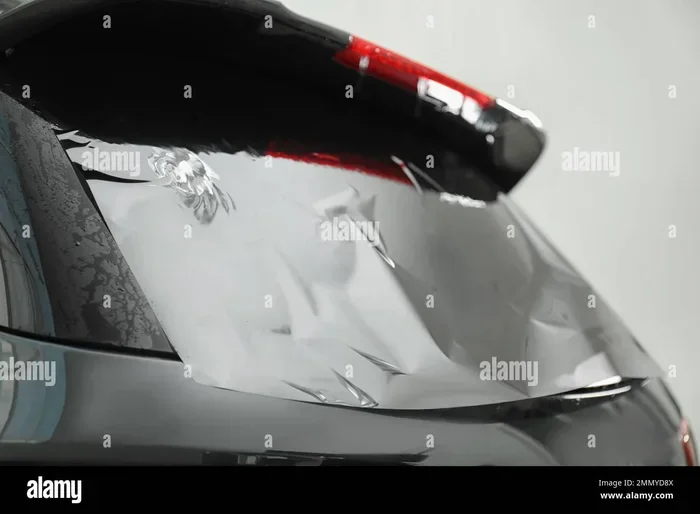
Proper installation also matters for legality. Bubbles, peeling, or creases in the tint can cause you to fail a vehicle inspection. Make sure your installer uses high-quality film and proper application techniques.
Tint Stickers and Certificates
Florida requires that every legally tinted vehicle display a tint sticker. This sticker must be placed between the glass and the film on each tinted window. The sticker proves that your tint meets legal VLT requirements. Without it, law enforcement may assume your tint is illegal.
You also need a window tint certificate from the installer. This certificate shows the VLT percentage of the film used. Keep this document in your vehicle at all times. You may be asked to show it during a traffic stop or vehicle inspection.
Reflective Tint Rules
Florida restricts the reflectivity of window tint. Both front and rear side windows cannot be more than 25% reflective. This means you cannot use mirror-like or metallic tint on any side windows. Reflective tint can blind other drivers, especially at night and during sunset. The law limits reflectivity to keep roads safe for everyone.
The front windshield must also be non-reflective. Any tint applied to the windshield area must not have a mirrored or reflective finish. This ensures that the windshield remains clear and does not create glare for other drivers.
Common Mistake: Faking a Medical Exemption
Some people try to buy fake medical exemption certificates online. This is illegal and can result in serious fines. If you genuinely need a medical exemption, talk to your doctor. They can provide legitimate documentation that will hold up in court.
Benefits of Legal Window Tint and Final Thoughts
Following the law does not mean you have to sacrifice the benefits of window tint. In fact, legal tint still offers plenty of advantages for Florida drivers.
Heat Rejection and Comfort
Florida is known for its hot, sunny weather. A good window tint can reject up to 70% of solar heat. This keeps your car cooler and reduces the need for constant air conditioning. You will feel more comfortable on every drive, whether it is a short trip to the grocery store or a long road trip.
UV Protection
UV rays can cause skin damage and fade your car’s interior over time. Quality window tint blocks up to 99% of harmful UV rays. This protects both you and your passengers. If you are curious about whether clear tint can also provide UV protection, check out our guide on does clear window tint protect against UV rays for more information.
Privacy and Security
Tinted windows add a layer of privacy. People cannot easily see into your vehicle when it is parked. This can deter thieves and protect your valuables. It also gives you a more comfortable driving experience, especially in heavy traffic.
Glare Reduction
Driving in Florida means dealing with intense sunlight and glare from other vehicles. Window tint reduces glare significantly, making your drives safer and more comfortable. You will squint less and focus more on the road ahead.
How to Choose the Right Tint Shop in Florida
Not all tint shops are created equal. Choosing the right installer makes a big difference in the quality and legality of your tint. Here is what to look for:
- Licensing and certification: Make sure the shop is licensed to install window tint in Florida.
- Quality film brands: Ask about the brands they carry. Reputable shops carry name-brand films with documented VLT ratings.
- Warranty: A good shop will offer a warranty on both the film and the installation work.
- Knowledge of Florida law: The installer should be able to explain the legal requirements clearly and help you choose compliant film.
- Customer reviews: Check online reviews and ask for recommendations from friends or family.
Do not rush the decision. Take your time to find a shop that you trust. A quality installation will last for years and keep you on the right side of the law.
What Happens If You Get Pulled Over for Illegal Tint?
If a law enforcement officer pulls you over and determines your tint is too dark, you will likely receive a citation. The fine for illegal window tint in Florida can vary, but it is typically a non-moving traffic violation. You may be required to remove the tint and provide proof of compliance.
In some cases, you can fix the issue and provide documentation to reduce or dismiss the fine. However, if you cannot prove your tint is legal, you may face repeated fines. It is always better to stay compliant from the start.
Common Mistake: Ignoring a Tint Citation
Some people ignore a tint citation and hope it goes away. It does not. Unpaid citations can lead to increased insurance rates, license suspension, and additional fines. If you receive a citation, address it promptly. Either remove the illegal tint or provide proof of a valid medical exemption.
Florida vs. Other States: How Do the Laws Compare?
Window tint laws vary significantly from state to state. What is legal in Florida may not be legal in your next destination. For example, some states allow darker tint on front side windows than Florida does. If you are curious how Florida compares to other states, you can explore our Connecticut window tint law guide to see how different states handle tint regulations.
States like Arizona and Texas tend to have more relaxed tint laws, while states in the northern regions may have stricter rules. The key takeaway is that you should always check the specific laws of the state you are in, whether you are driving locally or traveling.
The Florida window tint law strikes a balance between personal freedom and public safety. It allows for meaningful tint darkness while ensuring drivers maintain adequate visibility. Understanding these rules helps you make informed decisions and enjoy your tint without worry.
Final Thoughts on the Florida Window Tint Law
The Florida Window Tint Law is not as complicated as it might seem at first glance. Once you understand the VLT requirements, reflectivity limits, and exemption options, the rules become clear. The key is to do your research before you tint and to work with a reputable installer.
Remember that staying legal protects you from fines and keeps you safe on the road. Whether you choose a light tint for heat rejection or a darker tint for privacy, make sure it meets Florida’s requirements. Keep your certificate, display your sticker, and enjoy the benefits of a properly tinted vehicle.
If you are exploring tint options, a 35 percent window tint is a great starting point for most vehicles. It offers excellent sun protection, looks great, and keeps you fully compliant with Florida law. Take your time, do your homework, and you will find the perfect tint for your car.
Frequently Asked Questions
What is the legal tint darkness for front side windows in Florida?
Front side windows in Florida must allow at least 28% of visible light to pass through. This means the VLT percentage must be 28% or higher. Any tint darker than this on the front side windows is considered illegal and can result in a citation.
Can I tint my front windshield in Florida?
Yes, but only the top four inches of the front windshield can be tinted. This strip must be non-reflective. The rest of the windshield must remain clear to ensure proper visibility for the driver.
Do I need a tint sticker in Florida?
Yes, Florida requires a legal tint sticker to be placed on each tinted window. The sticker must be located between the glass and the film. It serves as proof that your tint meets the state’s VLT requirements.
Can I get a darker tint with a medical exemption in Florida?
Yes, if you have a qualifying medical condition, you can apply for a medical exemption. You will need a signed statement from a licensed physician explaining your condition and why darker tint is necessary. Keep this documentation in your vehicle at all times.
Is reflective tint allowed in Florida?
Reflective tint is limited to 25% reflectivity on both front and rear side windows. The front windshield must be completely non-reflective. Mirror-like or metallic finishes are not permitted on any side windows in Florida.
What happens if my tint is too dark in Florida?
If your tint is found to be too dark, you will likely receive a citation. You may be fined and required to remove the illegal tint. In some cases, you can provide proof of compliance or a medical exemption to resolve the issue.