How Do I Get My Key Fob to Work Again Fast and Easy
A dead or malfunctioning key fob can leave you stranded, but most problems are simple to fix at home. This guide walks you through key fob battery replacement, reprogramming steps, signal troubleshooting, and when to seek professional help. Whether you drive a BMW, Hyundai, or any other vehicle, these practical tips will get your car key fob working again quickly and affordably.
There is nothing more frustrating than standing by your car, pressing the buttons on your key fob, and getting nothing in return. You might hear a click, see a tiny light blink, or nothing at all. The good news is that most key fob not working problems have simple solutions you can handle right at home. You do not need to be a mechanic or spend hundreds of dollars to fix it.
This guide covers every common reason your remote key fob stops working and exactly how to bring it back to life. From a quick battery swap to full key fob reprogramming, we have you covered. By the end, you will know what to try first, what to do next, and when it is time to call in the experts.
Key Takeaways
- Replace the Battery First: A dead coin cell battery causes most key fob failures. Swapping it out takes under five minutes.
- Reprogramming Is Often Simple: Many cars let you reprogram the fob yourself using the ignition and door locks.
- Check for Signal Interference: Other electronics and metal enclosures can block your key fob signal.
- Know When to See a Pro: Water damage or cracked circuit boards need expert attention or full replacement.
- Consider Aftermarket Options: Quality aftermarket key fobs can save money without sacrificing reliability.
- Prevent Future Issues: Regular cleaning and battery swaps keep your electronic key fob in top shape.
📑 Table of Contents
Why Your Key Fob Stopped Working
Before you dive into fixes, it helps to understand what went wrong. Key fobs are small electronic devices that send a coded signal to your car. When that signal gets interrupted or the power drops, your fob stops communicating with the vehicle. Let us look at the most common culprits.
Dead Battery
The number one reason key fobs fail is a dead battery. Most car key fobs use a small CR2025 or CR2032 coin cell. These batteries last about two to four years, but cold weather and heavy use can shorten that life. If your fob works intermittently or not at all, the battery is the first thing to check.
Signal Interference
Sometimes the problem is not your fob at all. Other electronic devices, metal objects, or even your phone can block the signal between your fob and the car. Standing near a tall building or inside a parking garage can also weaken the range. This is called key fob range issues, and it is usually temporary.
Water or Physical Damage
Dropping your fob in a puddle or crushing it in your pocket can damage the internal circuit board. Water causes corrosion on the tiny electronic components. If your fob has been through a rough experience, physical damage might be the root cause of the problem.
Wear and Tear on Buttons
The rubber buttons on your fob wear out over time. If only certain buttons respond, the contacts underneath may be dirty or worn. This is a common issue with older remotes that get heavy daily use.
Programming Lost
Some events can cause your car to lose the connection to the fob. A dead car battery, a recent reset, or a software update can wipe the stored codes. When this happens, the fob needs to be reprogrammed to talk to the car again.
How to Replace Your Key Fob Battery
Replacing the battery is the easiest and most common fix. You can do it in under five minutes with basic tools. Here is exactly how to do it for most key fobs.
Step-by-Step Battery Replacement
- Find the Battery Type: Check your owner manual or look up your car model online. Most fobs use CR2025 or CR2032 batteries.
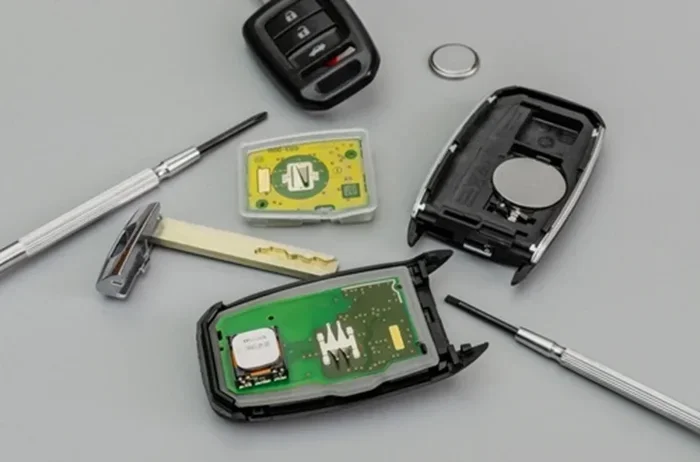
- Open the Fob Casing: Use a small flathead screwdriver or a coin to pry open the plastic shell. Work gently around the seam to avoid cracking the case.
- Remove the Old Battery: Note which side faces up. Take a photo if you are unsure. Pop the old battery out carefully.
- Insert the New Battery: Place the new battery in the same orientation as the old one. Push it firmly into the slot.
- Snap the Casing Back Together: Press both halves until they click into place.
- Test the Fob: Stand near your car and press the unlock and lock buttons. You should see the lights flash and hear the confirmation beep.
If replacing the battery does not fix the issue, do not worry. There are more steps to try. Let us move on to reprogramming your key fob.
How to Reprogram Your Key Fob
When the battery is fresh but the fob still does not work, the programming may have been lost. Key fob programming sounds intimidating, but most vehicles make it straightforward. The exact steps vary by make and model, so always check your owner manual first.
General Reprogramming Method
Most cars follow a similar process. Start by sitting inside the vehicle with all doors closed. Insert the key into the ignition and turn it to the “On” position without starting the engine. Press the lock button on the fob, then turn the key back to “Off.” Repeat this cycle three to five times until you hear the doors lock or see the lights flash. This signals that the car is in programming mode. Press any button on the fob to complete the process.
BMW Key Fob Reprogramming
BMW vehicles have a slightly different process. You may need to hold down the unlock and lock buttons simultaneously for several seconds. Some newer BMW models allow you to use the iDrive screen to pair a new fob. If you are unsure, a visit to a BMW dealer or a qualified locksmith can handle the BMW key fob programming quickly.
Hyundai Key Fob Reprogramming
Hyundai fobs often require you to cycle the ignition between “On” and “Off” while pressing the door lock button on the fob. The process is similar across most Hyundai models. If you have trouble, the owner manual will have a detailed step-by-step guide specific to your year and trim.
After reprogramming, test your fob from several distances. A properly programmed fob should work from at least 30 to 50 feet away. If the range is still weak, move on to the next section.
Troubleshooting Key Fob Signal Problems
If your fob works sometimes but not others, you are likely dealing with a signal problem. These issues can be annoying but are usually easy to fix.
Check Your Distance and Position
Try standing closer to the car when pressing the fob. Some vehicles have a specific spot where the antenna receiver is located, often near the driver side mirror or the windshield. Pointing the fob toward that area can improve signal strength.
Remove Interference Sources
Other electronic devices near your fob can cause interference. Try taking the fob out of your pocket or bag and holding it away from your phone, laptop, or other wireless devices. Metal containers, wallets, and bags can also block the signal. Store your fob in a dedicated spot away from strong electronics.
Clean the Fob Contacts
Dirt and grime can build up on the battery contacts and button contacts inside the fob. Use a cotton swab dipped in rubbing alcohol to gently clean the metal contacts. Let the fob dry completely before reassembling and testing it.
Reset the Fob
A simple reset can clear minor electronic glitches. Remove the battery, wait 30 seconds, then reinsert it. This drains any residual charge and resets the internal circuit. Many users find this trick solves random key fob signal problems without any further steps.
When to Replace Your Key Fob Entirely
Sometimes fixing the battery or reprogramming is not enough. The fob itself may be too damaged or too old to repair. Here are clear signs that you need a full replacement.
Cracked or Broken Housing
If the plastic shell is cracked or broken, internal components are exposed to dust and moisture. A damaged housing will only get worse over time and can lead to complete failure.
Water Damage
If your fob has been submerged in water or soaked, the circuit board may be corroded. Even if it dries out, the damage to the electronics can be permanent. In this case, a replacement is the safest choice.
Buttons That Do Not Respond at All
When multiple or all buttons stop responding even after a battery swap, the internal contact pads are likely worn out. Replacement is the most reliable solution.
Outdated Technology
Older fobs may not support modern security features like rolling codes. Upgrading to a newer fob can improve both security and range. If you are considering an upgrade, you might want to explore options like adding remote start to a car with push button start, which often requires a compatible newer fob.
Where to Get a Replacement
You have several options for getting a new fob. The car dealership is the most expensive but guarantees a perfect match. Locksmiths often offer competitive pricing and can program the fob on the spot. Online retailers sell replacement fobs at lower prices, but make sure to verify compatibility with your vehicle model and year.
If you are wondering whether you can order a replacement using your vehicle identification number, check out our guide on ordering a key fob by VIN number for more details.
Are Aftermarket Key Fobs Worth It?
Aftermarket key fobs can save you a significant amount of money compared to dealer-priced originals. But the big question is whether they are reliable. The answer depends on the brand and quality. High-quality aftermarket fobs from reputable sellers work just as well as OEM fobs in most cases. Before buying, check reviews, verify compatibility, and confirm whether the fob comes pre-programmed or needs professional programming.
For a deeper look at aftermarket fob quality and what to watch out for, read our article on are aftermarket key fobs bad. It covers the pros, cons, and red flags to avoid when shopping for a replacement.
Preventive Tips to Keep Your Key Fob Working
The best way to deal with a broken fob is to prevent one in the first place. A few simple habits can extend the life of your electronic key fob and save you from unexpected headaches.
- Replace the Battery Proactively: Do not wait for the fob to die. Swap the battery every two to three years as a preventive measure.
- Keep It Dry: Avoid exposing your fob to moisture. Do not leave it in a cup holder where condensation can collect.
- Handle With Care: Key fobs are not indestructible. Dropping them repeatedly can loosen internal connections over time.
- Store It Properly: When not in use, keep the fob in a dedicated spot away from strong magnetic fields and electronics.
- Clean the Contacts Regularly: A quick wipe with rubbing alcohol every few months keeps the electrical contacts clean and responsive.
- Have a Spare: Always keep a spare fob in a safe place at home. If your primary fob fails, you will not be stranded.
These small steps take minimal effort but can add years of reliable use to your key fob. Prevention is always easier and cheaper than repair.
When to Call a Professional
Most key fob issues are DIY-friendly. But some situations call for professional help. If you have tried a new battery, reprogrammed the fob, and still face problems, it is time to seek expert assistance. Water damage that has corroded the circuit board, a broken transmitter inside the fob, or a fault in the car’s receiver module are all reasons to call in the pros.
A qualified locksmith or your car dealership can diagnose issues that are beyond basic troubleshooting. They have specialized tools and software to test both the fob and the vehicle’s receiver. In some cases, a simple module reset at the dealership solves problems that no amount of battery swapping can fix.
If you are dealing with a vehicle that requires specific service, such as a BMW, you might wonder whether it needs to be serviced by a BMW specialist. Our article on does a BMW have to be serviced by BMW explores this topic in detail and can help you decide the best path forward.
Conclusion
Getting your key fob to work again is almost always simpler than you think. Start with the battery, move to reprogramming, and troubleshoot signal issues before considering a full replacement. Most problems are quick and inexpensive to fix. With the tips in this guide, you can save time and money while keeping your car accessible and secure.
Remember, a little regular maintenance goes a long way. Keep spare batteries on hand, clean your fob periodically, and store it carefully. These habits will keep your remote key fob working reliably for years to come. If the problem persists beyond what you can handle, do not hesitate to reach out to a professional. Your peace of mind is worth it.
Now that you know exactly what to do when your fob fails, you are prepared for whatever comes next. Share this guide with friends and family who might be dealing with the same frustrating problem. A working key fob is one of those things you do not think about until it stops working, and now you know exactly how to get it going again.
Frequently Asked Questions
Why does my key fob stop working after replacing the battery?
The new battery may be inserted incorrectly or may not be the right type for your fob. Double-check the battery orientation and make sure it matches the specifications in your owner manual. Sometimes the fob needs to be reprogrammed after a battery change, especially if the car lost its stored codes during the swap.
Can I drive my car if the key fob is not working?
It depends on your vehicle. Many cars with push-button start have a backup method. You can usually place the dead fob directly against the start button or the steering column, and the car will recognize it. Check your owner manual for the specific backup procedure for your model.
How much does it cost to replace a key fob?
The cost varies widely. OEM fobs from the dealership can range from 200 to 500 dollars or more. Aftermarket fobs typically cost between 50 and 150 dollars. Programming fees at a locksmith or dealership add another 50 to 100 dollars in most cases. Buying an aftermarket fob and programming it yourself can save significant money.
How long does a key fob battery last?
Most key fob batteries last between two and four years. Cold weather, frequent use, and long signal distances can drain the battery faster. If you notice the range decreasing or the buttons becoming less responsive, it is a good sign the battery is nearing the end of its life and should be replaced soon.
Can water damage be repaired in a key fob?
Minor moisture exposure can sometimes be fixed by drying the fob thoroughly and cleaning the contacts with rubbing alcohol. However, if water has reached the circuit board and caused corrosion, the damage is usually permanent. In those cases, a full replacement is the most practical solution.
Do I need special tools to open a key fob?
No special tools are required for most key fobs. A small flathead screwdriver, a coin, or a plastic prying tool works perfectly. Be gentle when opening the casing to avoid cracking the plastic. If your fob uses a screw to hold the housing together, a small Phillips-head screwdriver will do the job.